


From Alehouse to Coaching Inn
The British pub did not arrive fully formed with a handpump and a blackboard of specials. It grew, slowly, out of three different medieval institutions. The alehouse was the humblest: often just the front room of a cottage, where a household brewed more ale than it could drink and sold the surplus. An ale-stake or a bush over the door told passers-by there was something worth stopping for. The tavern sold wine and offered a warmer, more sociable room. The inn provided beds, stabling and food for travellers.
Once roads improved and stagecoaches began running to a timetable in the eighteenth century, the coaching inn became the hub of the local economy. Landlords kept horses, ran a postal service, provided a private room for magistrates and a yard for the carriers. Many of the grandest pub buildings in market towns, with their archways and galleried courtyards, are converted coaching inns. The phrase ‘public house’ appears in the late seventeenth century, and was shortened to the affectionate ‘pub’ by the Victorians.
The Victorian Boom and the Tied House
The Beerhouse Act of 1830 allowed any ratepayer to brew and sell beer on payment of two guineas for a licence. Thousands of small beerhouses opened within a year, and competition turned pubs into showpieces. Gin palaces and improved public houses gleamed with gaslight, etched glass, tiled façades and long mahogany counters.
Brewers soon realised that owning the premises was the surest way to sell their beer, and the tied house system took hold: the landlord rented from the brewery, bought its beer, and often wore its colours on the sign. When licensing authorities began to rationalise the trade in the twentieth century, the vast number of small back-street pubs fell sharply. The survivors were generally the ones with good rooms, a decent yard and a landlord who knew everybody’s name.
The Fight for Real Ale
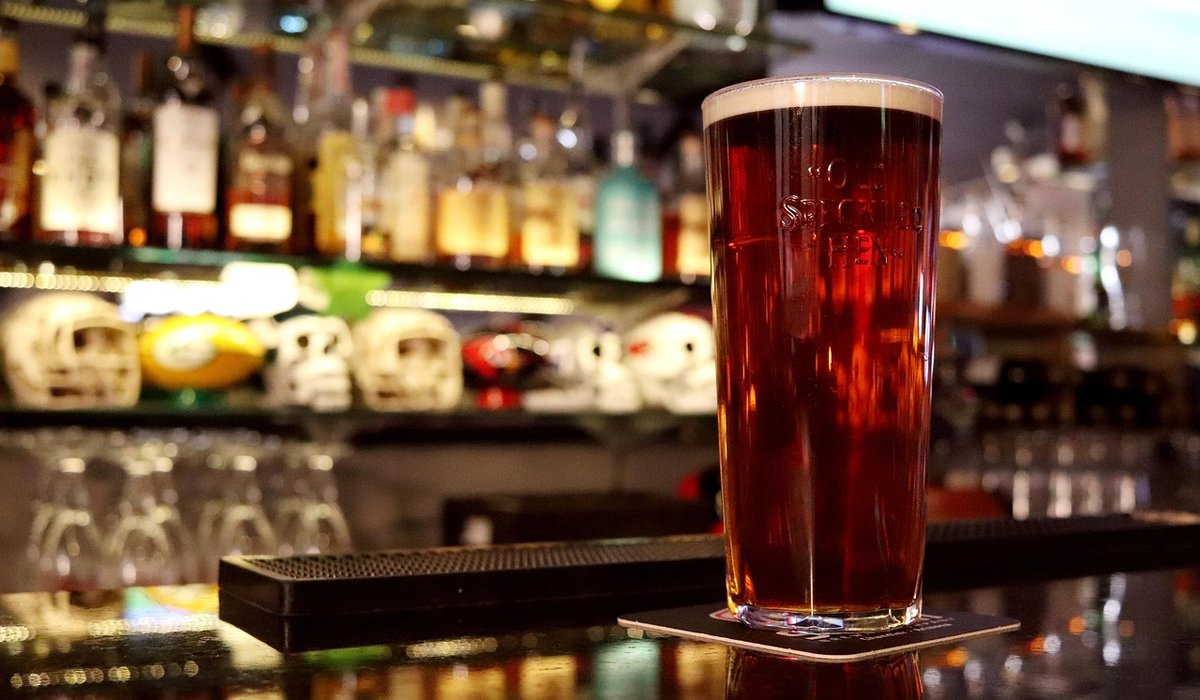
The most important shift in modern pub life came in the 1970s, when a consumer campaign was founded to defend traditional cask beer against keg alternatives that were filtered, pasteurised and served under gas pressure. Real ale, by definition, is beer that undergoes a secondary fermentation in the cask from which it is served, and is dispensed without extraneous carbon dioxide. It is a living product, and it behaves accordingly.
That campaign changed what drinkers expect. Today you can judge a pub by a few quick signals:
- Handpumps with clean, legible clips, and a beer list that changes with the seasons.
- Cask ale served at cellar temperature, roughly 11–13°C — cool, not chilled to numbness.
- A landlord happy to pour you a taste before you commit to a pint.
- Lines cleaned regularly; a half that tastes of cardboard means the pipes need attention.
The old argument about sparklers — the restrictor that gives northern beers their tight, creamy head — will never be settled, and that is exactly as it should be.
The Anatomy of a Proper Pub
Good pubs share a recognisable architecture of comfort. There is the bar itself, the focal point where conversation starts. There are distinct rooms or at least distinct zones: the snug, the lounge, the taproom with its dartboard and domino table. There is somewhere to sit alone with a paper without feeling exposed.
Look for the details that mark a pub cared for rather than merely managed: a well-kept fire, a noticeboard advertising the quiz, the darts team and the parish council, a bowl of water for the pub dog, pork scratchings and pickled eggs behind the bar, and a landlord or landlady who introduces strangers to each other. These things are not nostalgic trimmings. They are the mechanism by which a pub turns a room full of individuals into a community.
Traditional Pub Food
For most of the twentieth century, pub food meant a sandwich under a glass dome, or nothing at all. The ploughman’s lunch — cheese, pickle, crusty bread, a little salad — was popularised as a marketing device in the 1960s and became a national institution. From the 1990s, the gastropub movement raised expectations, sometimes gloriously and sometimes at the cost of the menu’s soul.
The dishes that endure are the ones built for a room full of appetites:
- Sunday roast — beef, lamb or pork, roast potatoes in dripping, Yorkshire puddings, and gravy that has seen a long afternoon.
- Steak and ale pie — shortcrust or suet, filled with slow-cooked beef and a dark beer from the same bar.
- Fish and chips — beer-battered haddock or cod, mushy peas, tartare sauce, and a wedge of lemon.
- Bangers and mash — proper butcher’s sausages, buttery mash, onion gravy.
- Gammon, egg and chips — the test of any kitchen that claims to be straightforward.
A short menu is usually a good sign. So is a specials board that changes weekly, and a landlord who can tell you which farm the beef came from. Book ahead for Sunday lunch; walk in on a Tuesday and take your chances at the bar.
The Pub as Community Hub
Britain has lost thousands of pubs since the turn of the century, and every closure takes something with it. The village pub has served as post office, polling station, library, café, job centre and village hall, often all in the same week. Where the last one closes, communities have increasingly bought the building themselves, reopened the doors and put a rota of volunteers behind the bar.
What keeps the pub central to British social life is not the beer, excellent though it can be. It is the fact that a pub is a room you may enter alone, without a reason, and expect to talk to somebody. No booking, no membership, no dress code — just a door, a warm room and a landlord who nods as you come in. That is a rare thing anywhere in the world, and it is worth protecting pint by pint.


Leave a reply